If “climb Kota Kinabalu package” or “Mount Kinabalu climb package” appears on your search history, it’s time to start planning. There are limited slots for climbers and accommodation, and these are sold out months in advance. Here’s everything you need to know to tick epic mountain adventure off your 2026 goals list.
When is the best time to climb Mount Kinabalu?
March to September is your dry season. During these months, climbers can expect lower rainfall and higher chances of clear skies. March to April in particular usually offer the best weather. Be prepared because this also means crowds and lots of tourists. The climbing slots during these peak months will fillup quickly.
May and June are still good times to book your slots. The weather conditions may be slightly unpredictable, but shouldn’t stand in the way of an enjoyable climb.
The July to early September period is a mixed bag. There is definitely a higher chance of rain but it’s still very possible to get in a good hike to the summit. With training, proper gear and a bit of good luck, you’ll have fun on your hike.
October to January takes you into the monsoon season. Peak monsoon usually hits around November to December. This means increased rainfall. On occasion, the summit is closed if weather conditions get too unsafe. That said, with enough preparation, ascending Mount Kinabalu is absolutely possible during these wetter months. Dress for the wet weather and make sure you have flexible plans in case of delays. On the upside, there are fewer crowds!
What is the best way to book a Mount Kinabalu climb package?
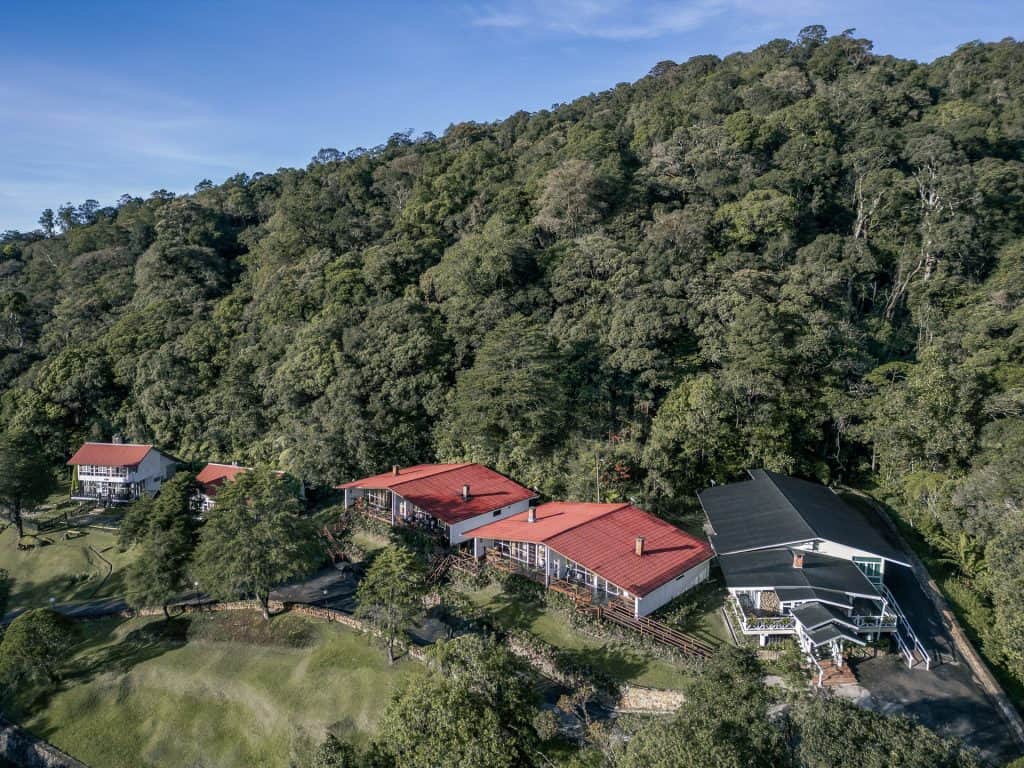
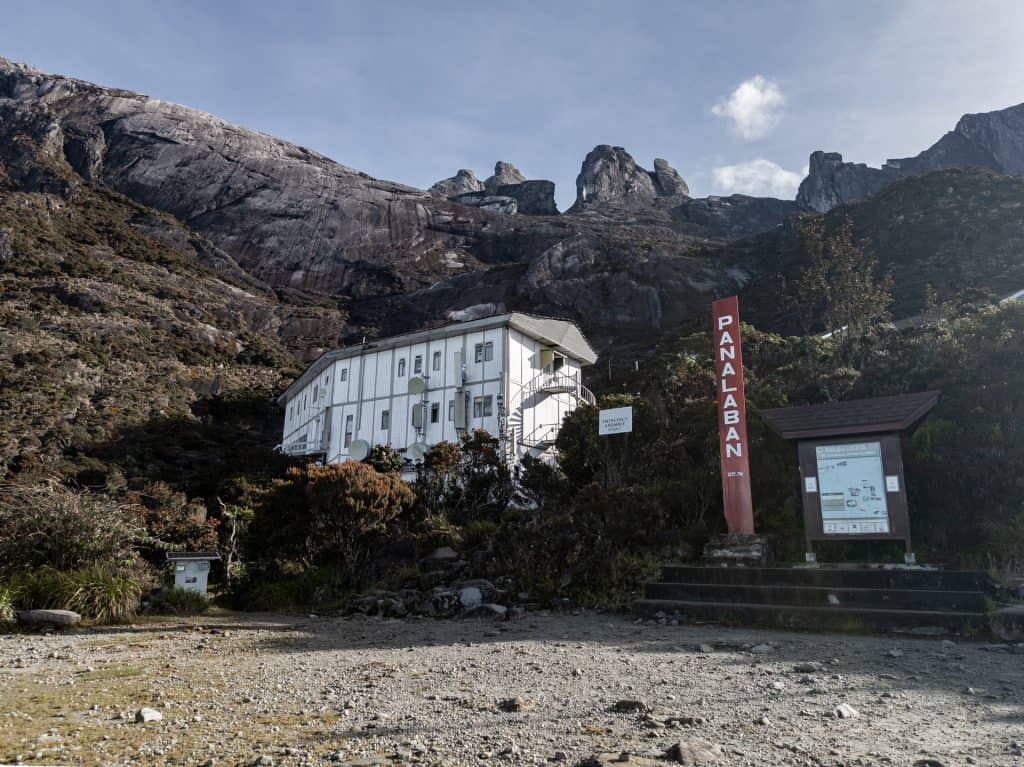
Skip the Google searches for a Kota Kinabalu tour agency and go straight to Sutera Sanctuary Lodges. They manage the climbing slots, accommodation at Kinabalu Park where the hike begins, and Laban Rata—where you’ll stay the night before your summit climb to Low’s Peak. Sutera Sanctuary Lodges is a one-stop shop for the climb, accommodation and even transportation.
What are the trail conditions on Mount Kinabalu?
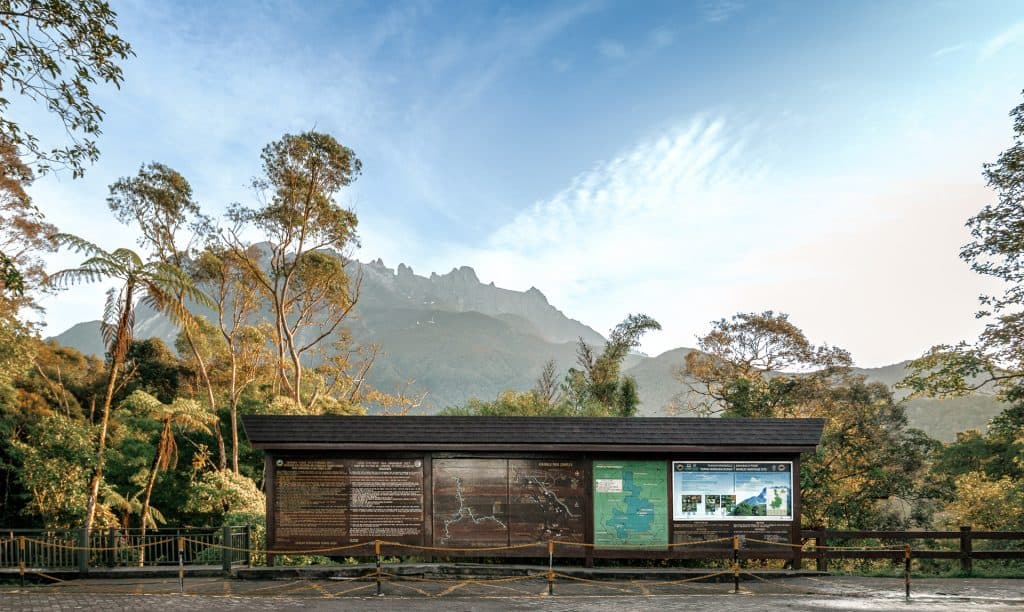
Here are some things that your tour agency might not tell you when you buy a Gunung Kinabalu hiking package.
Mount Kinabalu is more of a strenuous hike. There is no need for specialised mountaineering gear. The trail is maintained but it is a steep incline. There are lots (seriously, lots) of stairs, rocks, and steep slopes.
As you ascend, the altitude changes dramatically. Oxygen levels drop when you hit heights above 3000m. This has a humbling effect. It can even get to climbers with good fitness levels. It might slow you down and some hikers experience heavy legs, breathlessness, or nausea. Pace yourself and stay hydrated.
The last section of the climb to Low’s Peak is mostly granite rock and some parts are rope assisted climbs. These can be a bit tricky in wet weather. It can also get very cold the higher you go. High altitude plus wind chill … pack an extra jacket. You’ll need it especially if you reach the summit before sunrise.
What to bring on your Mount Kinabalu climb?
Good hiking boots: These don’t have to be expensive. They just need to have a strong grip, especially if you’re going in the wetter months. If you’re bringing new shoes, make sure you break them in. Hiking in brand new shoes is a sure way to earn a blister or two.
Rain gear: A light rain jacket or waterproof jacket will come in handy. The weather up there can be unpredictable. Dress in layers. While the temperature dips the higher you go, it can get warm on your way down. Layers will enable you to stay comfortable along the way.
Days off: If your climb slot falls on the off-peak monsoon months, a flexible schedule will be very helpful. This takes the stress off if you happen to need to stay an extra night due to weather conditions and you can take your time and enjoy the journey.
Mountain guide: Book your climb with a licensed mountain guide and listen to them. They are locals from nearby communities who know the mountain well. Their experience and knowledge will ensure your safe and enjoyable journey. As an added bonus, they tend to point out interesting flora and fauna you’ll encounter along the way.